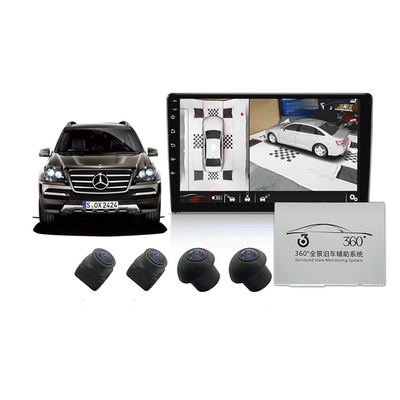
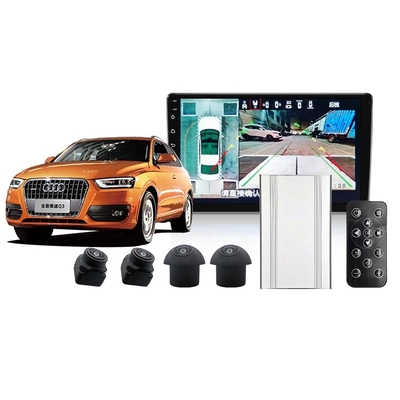
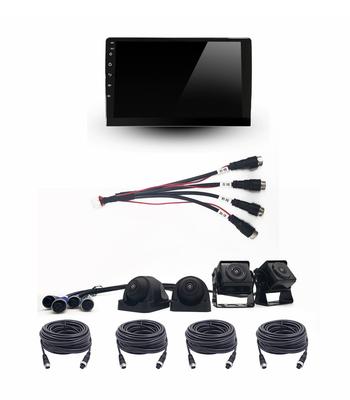
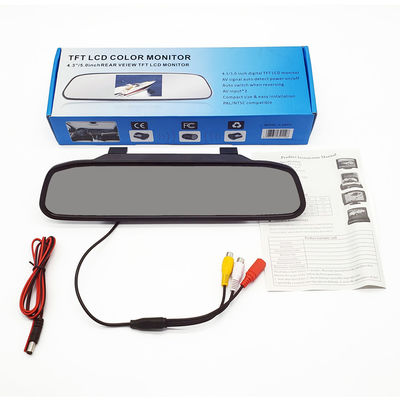
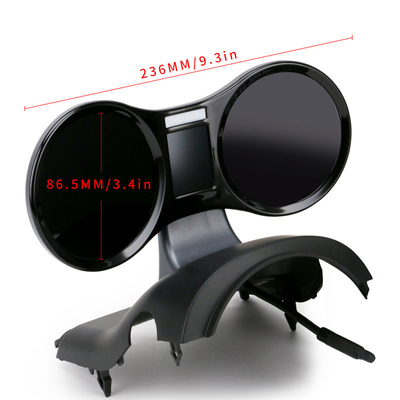
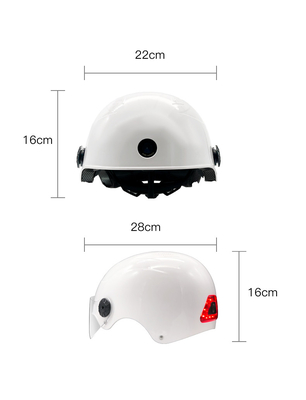
As vehicles become increasingly complex and urban environments more crowded, reverse parking accidents and collisions in tight spaces remain a persistent safety challenge. To address these issues, modern vehicles rely on parking radar sensors, often integrated into 360° vehicle camera systems, to provide real-time feedback and enhance driver awareness.
Understanding the technology, applications, and benefits of parking sensors is essential for vehicle owners, fleet operators, and automotive professionals who aim to maximize safety, reduce operational risk, and improve the overall driving experience.
The Technology Behind Parking Radar Sensors
1. How They Work
Parking radar sensors, commonly known as reverse sensors, operate primarily through ultrasonic technology:
- Ultrasonic Detection: Sensors emit high-frequency sound waves that reflect off nearby objects.
- Distance Calculation: By measuring the time taken for the waves to return, the system calculates the exact distance to the obstacle.
- Alerts and Feedback: When an object is detected, the system notifies the driver through audio beeps, visual LED indicators, or integration with a 360° camera display.
Some advanced systems also use electromagnetic sensors or integrate radar and camera data to enhance precision in complex environments.
2. Components of a Parking Sensor System
A typical reverse parking sensor setup includes:
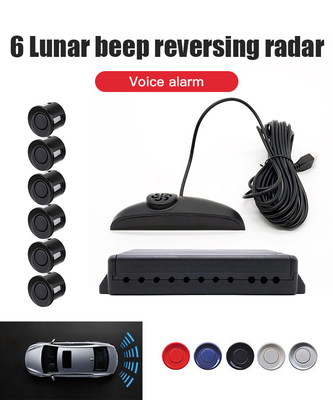
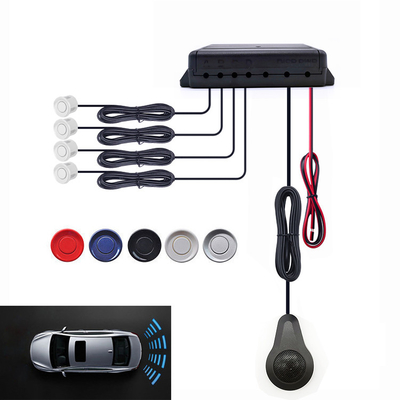
- Ultrasonic Sensors: Usually installed in the rear bumper; some vehicles also include front or side sensors.
- Control Unit: Processes sensor signals and calculates obstacle distance.
- Alert Interface: Provides visual or auditory feedback to the driver.
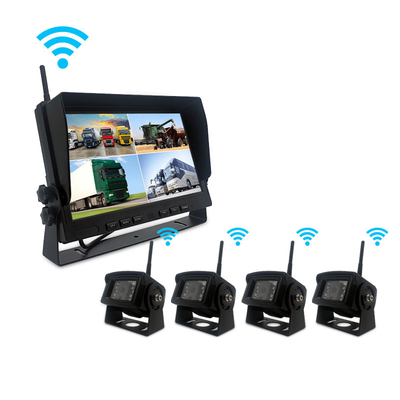
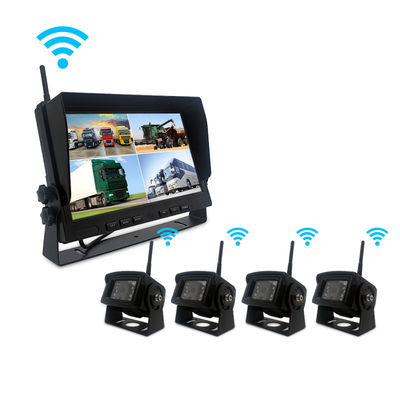
- Integration Modules: For advanced systems, sensors communicate with 360° camera systems, AI-assisted parking modules, or ADAS (Advanced Driver Assistance Systems).
Applications of Parking Radar Sensors
1. Passenger Vehicles (Sedans, SUVs)
- Urban Parking: Tight streets and crowded parking lots require precise distance measurement.
- Blind Spot Assistance: Rear sensors help prevent collisions with pedestrians, bicycles, or other vehicles.
- Enhanced Driver Confidence: Audio and visual alerts reduce stress during parallel parking or reversing in narrow spaces.
2. Commercial Trucks and Fleet Vehicles
- Large Vehicle Challenges: Trucks, vans, and buses have extensive blind spots.
- Docking and Loading: Reverse sensors assist in precise maneuvering during loading/unloading operations.
- Fleet Safety: Integration with 360° camera systems allows fleet operators to monitor vehicle proximity in real-time.
3. Specialty Vehicles (Construction, Agriculture, Industrial)
- Hazardous Environments: Forklifts, excavators, and agricultural machinery operate in complex sites with obstacles and workers.
- Operational Efficiency: Sensors alert operators to obstacles, reducing equipment damage and operational downtime.
- Enhanced Safety Compliance: Supports workplace safety standards and reduces liability risks.
Benefits of Parking Radar Sensors
- Increased Safety
- Reduce collisions with vehicles, pedestrians, or stationary objects.
- Minimize blind spot accidents in both urban and industrial environments.
- Improved Operational Efficiency
- Allow drivers to maneuver more confidently and precisely.
- Reduce time spent on parking and loading/unloading operations.
- Integration with 360° Camera Systems
- Visual confirmation combined with sensor alerts ensures a full-surround view, eliminating guesswork.
- Supports AI-assisted features like automated braking or obstacle recognition.
- Cost Savings
- Avoid vehicle damage and repair costs.
- Reduce insurance claims and associated premiums.
- Adaptability
- Compatible with various vehicles, from small sedans to heavy-duty trucks and specialty machinery.
- Customizable alerts, adjustable sensor sensitivity, and integration with modern vehicle electronics.
Industry Trends and Innovations
- Multi-Sensor Systems
- Modern vehicles often deploy 4, 6, or 8 sensors, creating a dense detection field for complex environments.
- AI Integration
- Advanced parking sensors now communicate with AI to classify objects, distinguishing between people, vehicles, and obstacles.
- Wireless and Modular Solutions
- Some sensors are wireless, simplifying installation and retrofitting in older vehicles.
- Modular designs allow fleets to upgrade sensors without replacing the entire system.
- Enhanced Feedback Interfaces
- Color-coded LED displays, digital dashboards, and integration with touchscreen monitors for multi-camera systems improve user experience.
- Global Safety Regulations
- Many countries are promoting or mandating the use of reverse sensors and advanced parking assistance systems in new vehicles, driving wider adoption.
Choosing the Right Parking Sensor System
When selecting or upgrading parking sensors, consider:
- Vehicle Type
- Small passenger cars may use basic 4-sensor systems, while large trucks benefit from 6- or 8-sensor systems.
- Functionality Requirements
- Audio-only alerts vs. visual displays.
- Integration with 360° cameras and AI systems.
- Detection Range
- Short-range for urban driving.
- Long-range for commercial and specialty vehicles.
- Environmental Durability
- Waterproof, dustproof, and interference-resistant sensors are essential for heavy-duty and outdoor applications.
- Installation and Compatibility
- Ensure sensors are compatible with existing vehicle electronics and camera systems.
Conclusion
Parking radar sensors have become an indispensable element of modern vehicle safety, especially when paired with 360° camera systems. By providing real-time feedback, alerting drivers to obstacles, and integrating with AI and advanced display systems, these sensors significantly reduce the risk of accidents, enhance operational efficiency, and improve overall driving confidence.