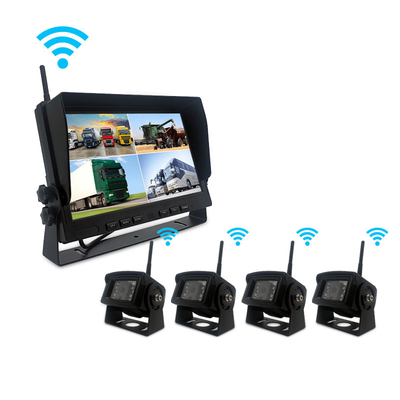
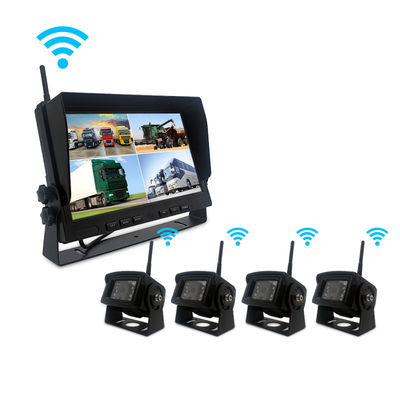
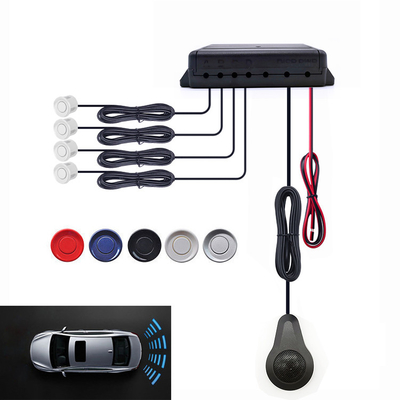
The automotive industry is witnessing a rapid evolution, with safety and smart technology at the forefront of modern vehicle design. Among these innovations, WiFi vehicle cameras have emerged as a pivotal tool for drivers and fleet operators, providing flexible, real-time monitoring and full integration with 360° vehicle camera systems.
Understanding the technology behind WiFi vehicle cameras, their practical applications, and the benefits they offer is essential for anyone looking to optimize vehicle safety, operational efficiency, and overall driver awareness.
The Technology Behind WiFi Vehicle Cameras
1. Wireless Data Transmission
WiFi vehicle cameras transmit video footage wirelessly to in-car displays, smartphones, or fleet management platforms. Unlike traditional wired cameras, these systems eliminate complex cabling, reducing installation time and maintenance challenges.
Key technical aspects include:
- High-definition video streaming: 1080P or higher ensures clarity for front, rear, and side views.
- Low latency transmission: Critical for real-time driving decisions during parking or maneuvering.
- Secure connectivity: Advanced encryption protocols prevent unauthorized access to the video feed.
2. System Components
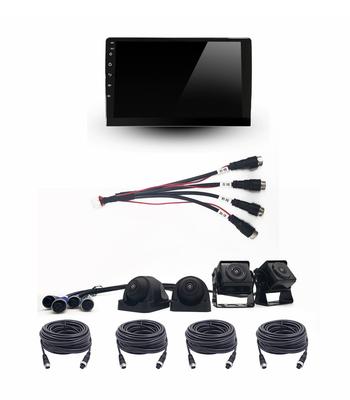
A typical WiFi camera system includes:
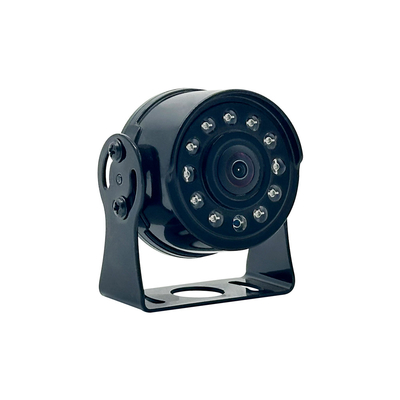
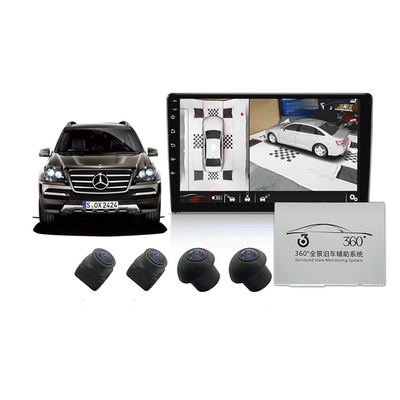
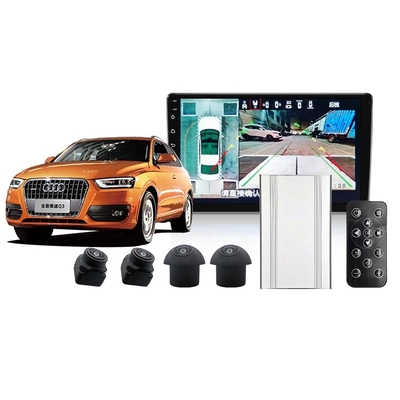
- WiFi Cameras: Front, rear, or side-mounted for comprehensive 360° coverage.
- Receivers/Displays: Vehicle screens, tablets, or mobile devices for real-time viewing.
- Control Units: Manage multiple camera feeds and integrate with other safety systems.
- Power Supply: Battery-powered or connected to the vehicle’s electrical system.
Some advanced systems also feature multi-channel display, allowing drivers to view front, rear, and side cameras simultaneously, ideal for complex urban driving or large vehicle operations.
Applications of WiFi Vehicle Cameras
1. Passenger Cars
- Urban Driving and Parking: Wireless cameras help drivers navigate tight spaces with real-time guidance.
- Rear-View Monitoring: Eliminates blind spots, enhancing safety when reversing.
- Mobile Integration: Drivers can connect cameras to smartphone apps, offering flexible monitoring even outside the vehicle.
2. Commercial and Fleet Vehicles
- Fleet Management: Operators can monitor vehicles remotely, tracking positioning and surroundings.
- Blind Spot Detection: Reduces accidents during lane changes and tight maneuvers.
- Ease of Installation: Wireless systems reduce downtime and installation complexity for large fleets.
3. Specialty and Industrial Vehicles
- Construction, Agriculture, and Industrial Machinery: WiFi cameras provide flexible placement where wired solutions are impractical.
- Enhanced Operational Safety: Real-time video reduces risk of collisions with obstacles or personnel.
- Efficiency Gains: Operators can work confidently in confined or hazardous spaces, improving productivity
Benefits of WiFi Vehicle Camera Systems
- Safety Enhancement
- Reduces blind spot incidents and rear-end collisions.
- Provides clear, real-time visual feedback for maneuvering in tight spaces.
- Operational Flexibility
- Wireless design enables quick deployment and system upgrades.
- Multi-camera integration allows full 360° awareness.
- AI and Smart Features
- Integration with AI algorithms for obstacle detection, lane monitoring, and driver assistance.
- Supports automated alerts and event recording for safer operations.
- Reduced Installation and Maintenance Costs
- Eliminates complex wiring and reduces installation labor.
- Simplifies maintenance and retrofitting, especially in older vehicles or fleet upgrades.
- Remote Access and Monitoring
- WiFi connectivity allows access to camera feeds via mobile apps or fleet management software.
- Supports cloud storage and remote diagnostics for fleet-wide oversight.
Industry Trends and Technological Advancements
- Integration with 360° Systems: WiFi cameras now complement radar sensors, LiDAR, and advanced ADAS (Advanced Driver Assistance Systems).
- Multi-Channel Display Solutions: Enable simultaneous front, rear, and side views for enhanced situational awareness.
- AI-Assisted Monitoring: Smart cameras detect pedestrians, vehicles, and obstacles, alerting drivers proactively.
- Wireless Upgrades and OTA Updates: Over-the-air updates keep systems current without manual intervention.
- High-Definition Night Vision: Infrared and starlight night vision technology ensures reliability under low-light conditions.
Choosing the Right WiFi Camera System
When selecting a WiFi vehicle camera system, consider:
- Vehicle Type and Use Case
- Small passenger cars may only need a single rear camera.
- Trucks, buses, and specialty vehicles benefit from multi-camera 360° coverage.
- Required Features
- Night vision, loop recording, multi-channel display, AI-assisted detection.
- Transmission Stability
- Opt for dual-band WiFi (2.4GHz + 5GHz) to minimize interference and latency.
- Integration Capabilities
- Ensure compatibility with existing 360° camera systems, ADAS modules, and fleet management platforms.
- Ease of Installation and Maintenance
- Wireless design should reduce cabling, simplify retrofitting, and allow quick deployment.
Conclusion
WiFi vehicle cameras represent a significant leap forward in vehicle safety and smart mobility. By combining wireless convenience, real-time video, AI-assisted features, and seamless integration with 360° systems, these cameras empower drivers to navigate complex environments safely and efficiently.